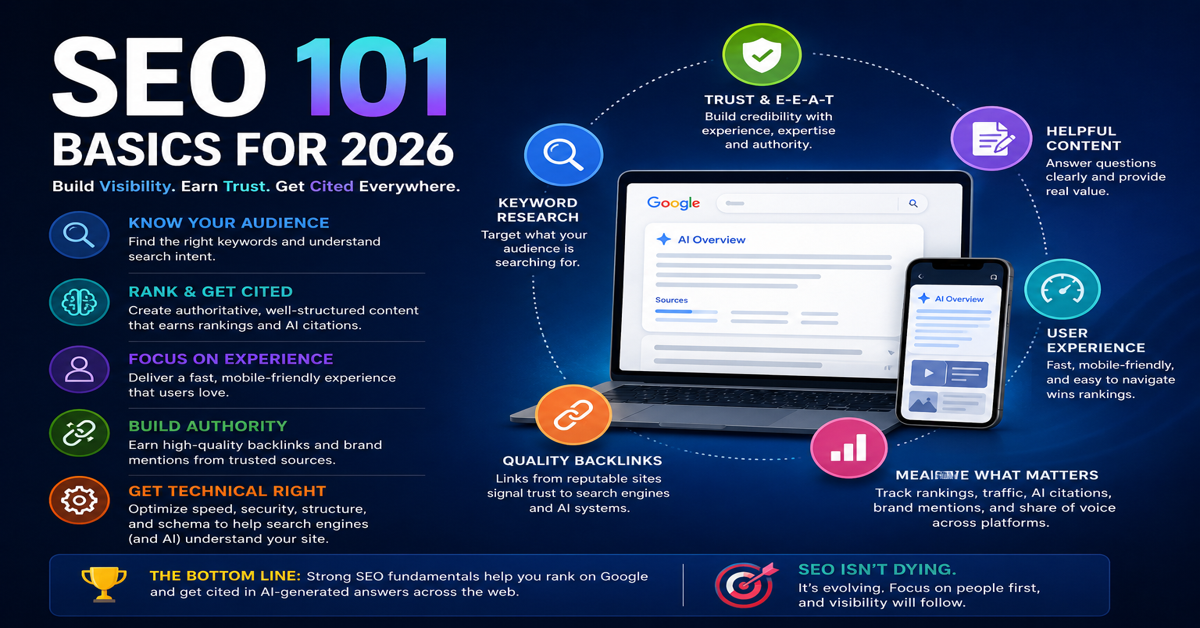
How exactly is AI changing SEO in 2026
Artificial Intelligence (AI) is transforming the world of Search Engine Optimization (SEO). What once required hours of manual keyword research, content writing, and technical analysis can now be enhanced using intelligent tools that automate processes, predict trends, and improve website performance.
Today, businesses, bloggers, marketers, and content creators are using AI to rank higher on search engines, create better user experiences, and reach the right audience faster.
What Is AI in SEO?
AI in SEO refers to the use of machine learning, natural language processing, and automation tools to improve how websites perform on search engines like Google and Microsoft.
AI tools analyze massive amounts of data to help marketers:
- Discover trending keywords
- Understand user intent
- Generate optimized content
- Improve website structure
- Predict ranking opportunities
- Automate repetitive SEO tasks
How AI Is Used in SEO
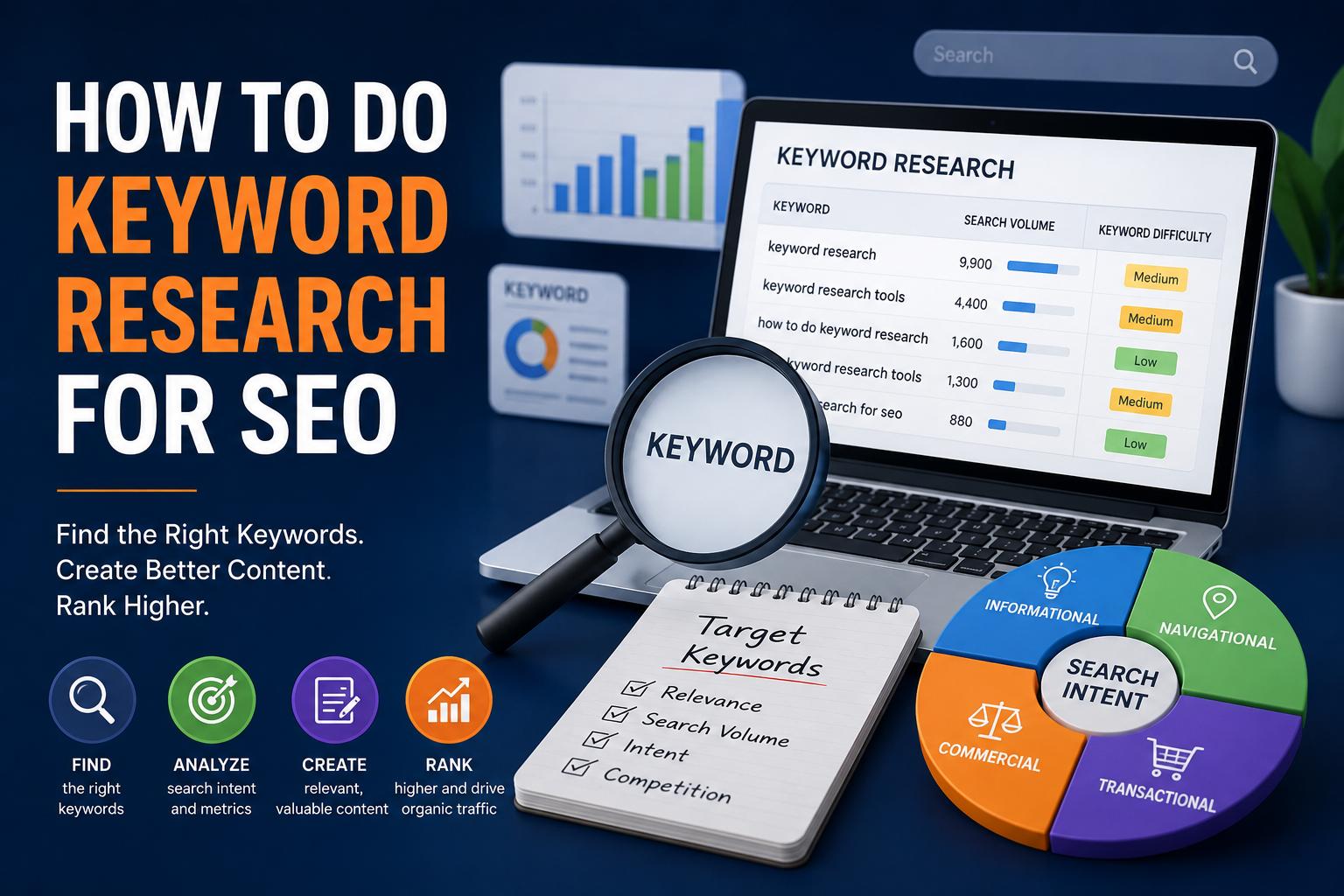
1. AI-Powered Keyword Research
Traditional keyword research involved manually searching for phrases users type into search engines. AI tools now make this process faster and smarter.
AI can:
- Suggest high-ranking keywords
- Identify search intent
- Find long-tail keywords
- Analyze competitors’ keyword strategies
Popular AI SEO Tools for Keywords
- Semrush
- Ahrefs
- Surfer SEO
- Moz
These tools help marketers discover what people are searching for and how difficult it is to rank for those keywords.
2. AI Content Creation
AI writing tools can generate blog posts, product descriptions, social media captions, and SEO-friendly web copy.
Benefits of AI Content Writing
- Faster content production
- Improved grammar and readability
- SEO optimization suggestions
- Topic and headline generation
- Content personalization
Common AI Writing Tools
- OpenAI
- Jasper
- Copy.ai
- Canva AI Magic Write
However, human editing is still important to ensure originality, emotional connection, and accuracy.
3. Search Intent Analysis
Modern search engines no longer focus only on keywords. They now try to understand why users are searching.
AI helps SEO professionals understand:
- Informational intent
- Transactional intent
- Navigational intent
- Commercial investigation intent
For example:
- “How to bake a cake” → informational
- “Buy laptop online” → transactional
Understanding intent helps create content that matches what users truly want.
4. AI and Technical SEO
Technical SEO ensures a website is easy for search engines to crawl and index.
AI tools can identify:
- Broken links
- Slow-loading pages
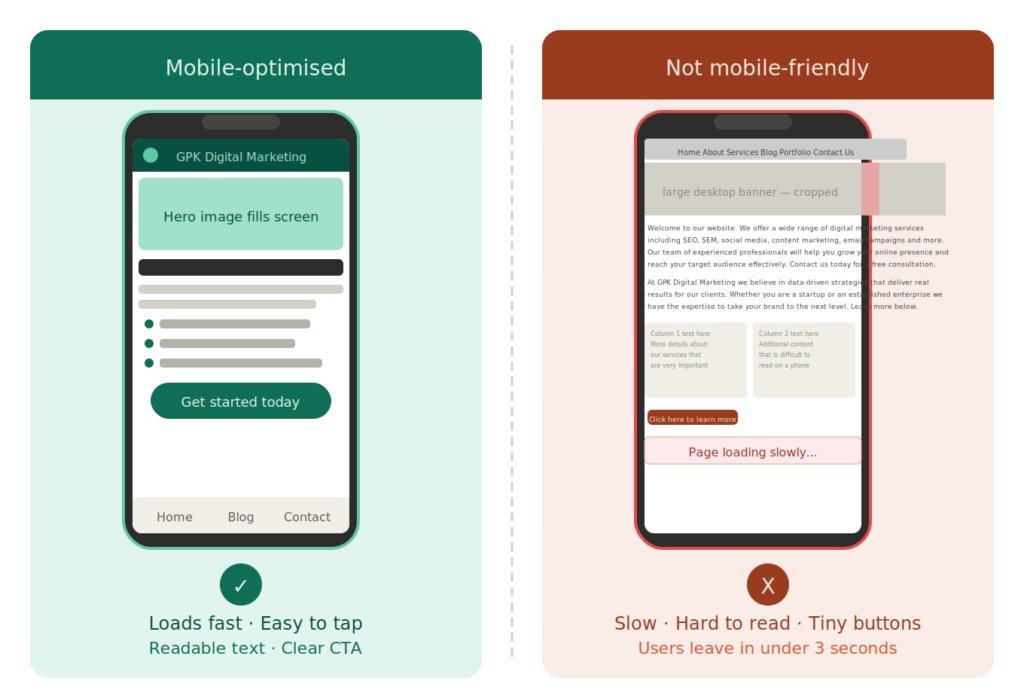
- Mobile usability issues
- Duplicate content
- Crawl errors
- Poor internal linking
Technical SEO Platforms
- Screaming Frog
- Google Search Console
- Sitebulb
AI speeds up website audits and helps prioritize fixes.
5. AI for Content Optimization
AI tools can analyze top-ranking pages and recommend ways to improve content.
They may suggest:
- Better headings
- Keyword placement
- Semantic keywords
- Ideal content length
- Readability improvements
This helps writers create content more aligned with search engine expectations.
6. Voice Search Optimization
With the growth of voice assistants like:
- Apple Siri
- Amazon Alexa
- Google Assistant
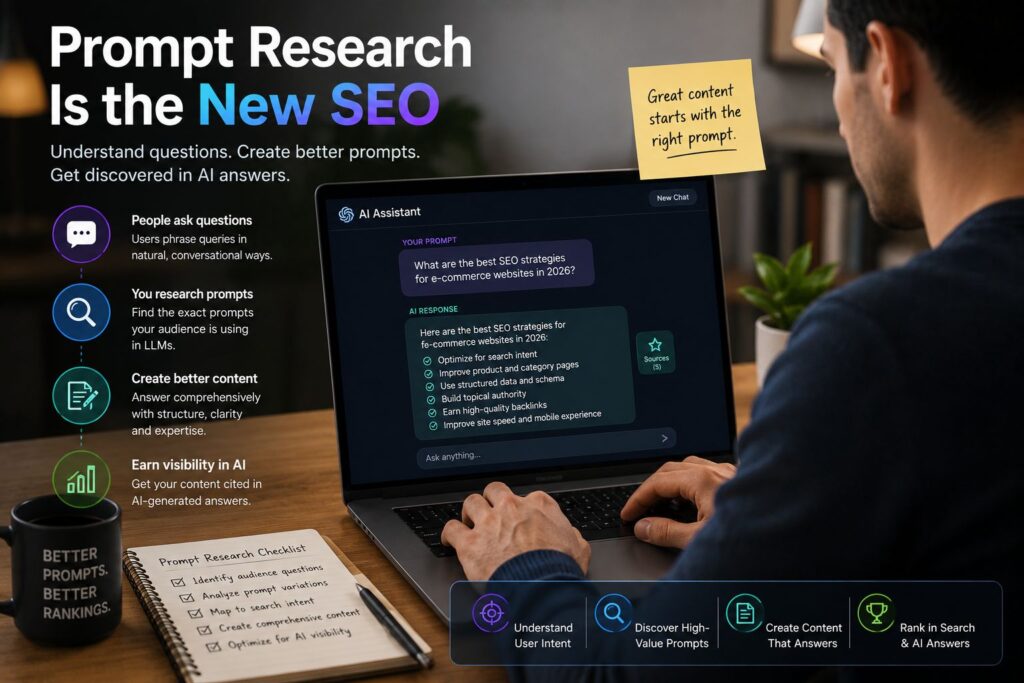
AI helps optimize content for conversational searches.
Example:
- Typed search: “best restaurants Nairobi”
- Voice search: “Which are the best restaurants near me in Nairobi?”
This means SEO content must sound more natural and answer questions directly.
7. Predictive SEO Analytics
AI can forecast future trends by analyzing search behavior and historical data.
Businesses can:
- Predict seasonal keywords
- Identify emerging trends
- Monitor ranking changes
- Anticipate customer behavior
This gives marketers a competitive advantage.
Benefits of Using AI in SEO
Faster Workflow
AI automates repetitive tasks, saving time and increasing productivity.
Better Data Analysis
AI processes huge amounts of SEO data quickly and accurately.
Improved User Experience
AI helps create more relevant and personalized content.
Smarter Decision Making
Marketers can make informed decisions using predictive insights.
Competitive Advantage
Businesses using AI often adapt faster to search engine changes.
Challenges of AI in SEO
Overdependence on Automation
Too much AI-generated content may lack originality or human creativity.
Risk of Low-Quality Content
Poorly edited AI content can become repetitive or inaccurate.
Search Engine Guidelines
Search engines prioritize valuable, helpful, and trustworthy content — not just AI-generated text.
Constant Algorithm Changes
AI tools must continuously adapt to updates from search engines.
The Future of AI in SEO
AI is expected to become even more important in SEO as search engines evolve.
Future trends may include:
- Hyper-personalized search results
- Advanced voice search
- AI-generated search summaries
- Visual and video SEO automation
- Real-time SEO recommendations
Search engines are becoming smarter at understanding context, behavior, and user satisfaction.
Best Practices for Using AI in SEO
Combine AI with Human Creativity
Use AI to assist — not completely replace — human expertise.
Focus on Helpful Content
Create content that solves real problems for users.
Optimize for User Experience
Fast websites, clear navigation, and valuable content still matter.
Stay Updated
SEO changes frequently, so continuous learning is essential.
Use Ethical SEO Practices
Avoid spammy AI-generated content or keyword stuffing.
Conclusion
Artificial Intelligence is revolutionizing Search Engine Optimization by making SEO faster, smarter, and more data-driven. From keyword research and content creation to technical audits and predictive analytics, AI tools are helping businesses improve visibility online.
However, successful SEO still depends on creating useful, trustworthy, and engaging content for real people. The best strategy is to combine AI efficiency with human creativity and strategic thinking.
Businesses and marketers who learn how to use AI effective