7 Must-Have Ecommerce SEO Services Business Needs to Grow Online
Are you running an online store but struggling to get found on Google? You’re not alone. Thousands of ecommerce businesses launch every year — and most of them stay invisible because they’re skipping the one thing that separates thriving stores from forgotten ones: a solid SEO strategy.
If you want your products to show up when customers are actively searching for them, you need more than just a good-looking website. You need the right SEO services working in your favour.
Here’s a breakdown of the essential SEO services every ecommerce business should be paying attention to — and what to look for in each one.
1. Ecommerce Keyword Research
Before anything else, you need to know what your customers are actually typing into Google — or asking an AI assistant. Keyword research is the foundation of every other SEO activity.
A good ecommerce keyword research service will help you identify:
- Short-tail keywords like “running shoes” or “wireless headphones” — high volume, high competition.
- Long-tail keywords like “affordable running shoes for flat feet in Nairobi” — lower volume, but much easier to rank for and closer to purchase intent.
- Local keywords if you serve a specific city or region.
- Question-based keywords like “which protein powder is best for beginners?” that align with how people search today.
What to look for: A provider that uses tools like Google Keyword Planner, Ubersuggest, or Semrush, and delivers a clear list of 5–15 targeted keywords mapped to your product categories and customer pain points.
2. On-Page SEO Optimisation
Once you have your keywords, they need to be woven naturally into your site. On-page SEO covers everything that lives on your actual web pages.
For ecommerce, this includes:
- SEO-optimised product titles and descriptions that include primary keywords without sounding robotic.
- H1, H2, and H3 heading structure so both search engines and shoppers can scan your pages easily.
- Meta descriptions of 150–160 characters for every product and category page — this is the text Google shows under your link in search results. It needs to be compelling enough to earn the click.
- Image alt text with relevant keywords on every product photo. This helps both accessibility and search rankings.
- Clean, descriptive URLs — something like /shop/womens-leather-handbags rather than /product?id=4829.
- Internal linking between related products, categories, and blog content to improve navigation and signal content structure to Google.
What to look for: An agency or freelancer who audits your existing pages and provides a clear implementation plan — not just a report full of jargon.
3. Technical SEO Audit and Fixes
This is the behind-the-scenes work that determines whether search engines can even crawl and index your store properly. Many ecommerce businesses have serious technical issues they don’t even know about.
Key technical SEO services for ecommerce include:
- Site speed optimisation — compressing images, enabling caching, and reducing load times. Slow stores lose customers and rankings.
- Mobile optimisation — over 60% of online shoppers browse on mobile. Your store must be fast and easy to navigate on a phone.
- Sitemap creation and submission so search engines know exactly what pages to index.
- Robots.txt review to ensure important product and category pages aren’t accidentally blocked from search engines.
- Fixing broken links and 404 errors that damage user experience and crawl efficiency.
- Schema markup (structured data) for products, reviews, and prices — this helps your listings appear as rich results in Google with star ratings and pricing visible directly in search.
What to look for: Use free tools like Google PageSpeed Insights and Google Search Console to get a baseline. A good technical SEO provider will go deeper and present a prioritised fix list.
4. SEO Content Creation (Including Blog Strategy)
Ecommerce stores that publish helpful, keyword-rich content consistently outrank those that don’t. A blog isn’t optional — it’s one of the most powerful ways to attract shoppers who are in research mode before they buy.
Strong ecommerce SEO content should:
- Open with a hook — a relatable problem, a surprising fact, or a bold statement — within the first two sentences.
- Keep paragraphs under 150 words and use subheadings (H2/H3) for every major point, since readers scan before they read.
- Include your primary keyword naturally in the headline and at least one subheading.
- Structure answers clearly near the top of each section — AI tools and featured snippets surface content that answers questions directly and early.
- End with a clear, benefit-led call to action. Not “Subscribe” — but “Get weekly tips that help your store grow.”
- Include a featured image, since posts with visuals earn significantly more social shares.
What to look for: A content writer or agency that understands both SEO and your industry. Ask to see keyword-mapped content calendars — not just blog posts written in isolation.
5. Off-Page SEO and Link Building
Your website’s authority in Google’s eyes is heavily influenced by who links to you. Off-page SEO is about building a credible backlink profile that signals your store is trustworthy and relevant.
For ecommerce businesses, effective off-page SEO includes:
- Guest blogging on relevant industry websites and publications.
- Local directory listings and review platforms like Google Business Profile, especially if you also have a physical location.
- Influencer or blogger outreach — getting your products featured on relevant review sites or social channels.
- Supplier and partner links — many brands and wholesalers will link to authorised retailers.
What to look for: Prioritise quality over quantity. Two links from credible, relevant websites are worth far more than 50 links from random directories. Be cautious of any provider promising hundreds of links quickly — this often does more harm than good.
6. Local SEO (If You Serve a Specific Area)
If your ecommerce business also serves local customers — through delivery zones, a showroom, or click-and-collect — local SEO is a separate and valuable service.
This includes optimising for searches like “online furniture store Nairobi” or “fresh flowers delivered in Westlands.” Local SEO ensures your business appears in Google’s map results and local search listings, not just organic results.
What to look for: Google Business Profile optimisation, locally-targeted keyword strategy, and consistent business name/address/phone number (NAP) across all directories.
7. SEO Reporting and Analytics
Any SEO service you invest in should come with clear, regular reporting. Without data, you’re flying blind.
Good reporting should track:
- Keyword ranking changes over time.
- Organic traffic growth by page and product category.
- Conversion rates from organic traffic.
- Core Web Vitals and technical health scores.
- Backlink growth and domain authority trends.
What to look for: Monthly reports with plain-language summaries, not just raw data. You should be able to see clearly whether the investment is generating results.
Before You Commit to Any SEO Service — A Quick Checklist
Before hiring an SEO provider for your ecommerce store, run through these questions:
- Do they start by defining a clear objective — more traffic, more sales, better rankings for specific products?
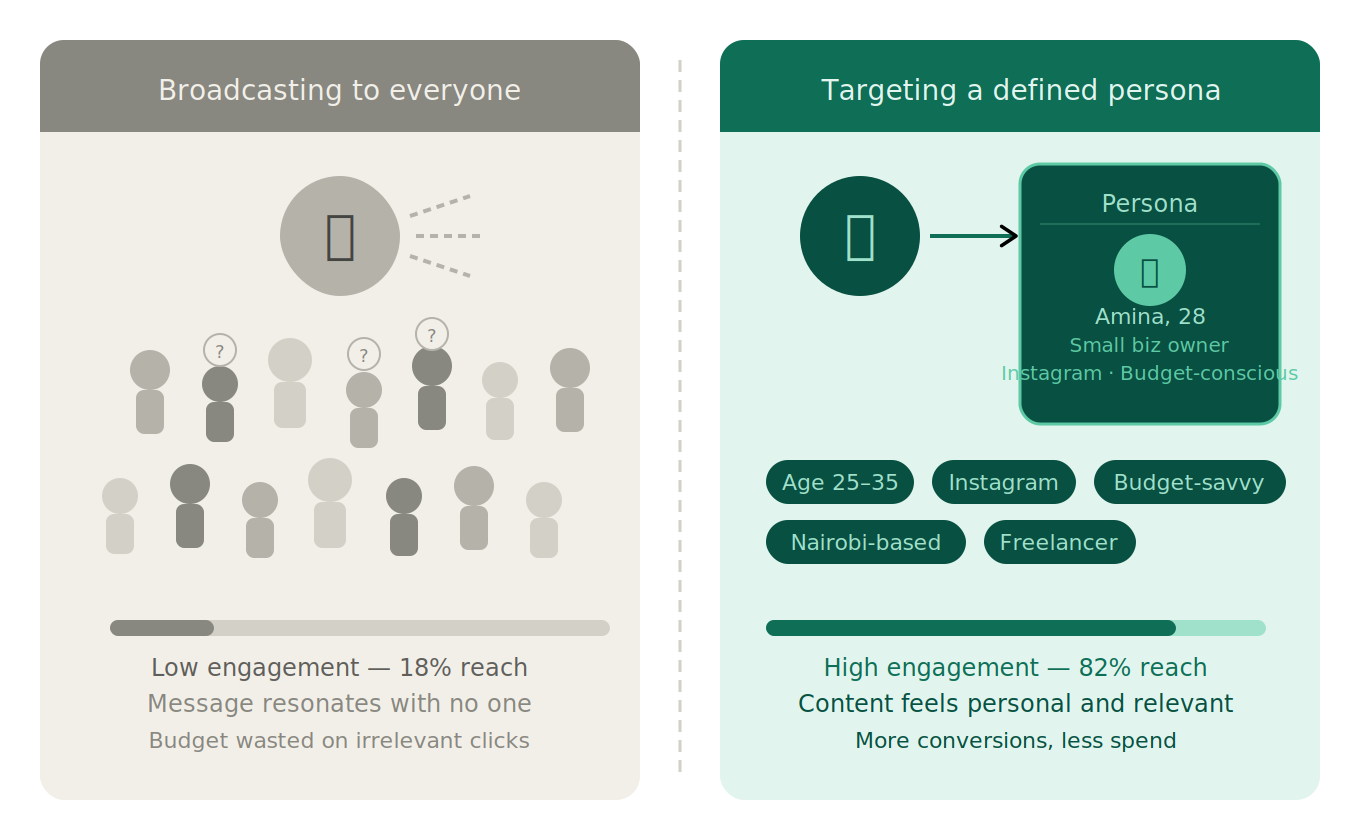
- Do they take time to understand your target audience — who they are, how they search, what they need?
- Do they focus on one clear strategy per campaign rather than promising everything at once?
- Do they produce content that reads naturally for humans first, with keywords woven in thoughtfully?
- Do they check that all technical elements — links, mobile performance, site speed — are working before publishing?
If the answer to most of these is yes, you’ve found a provider worth working with.
Final Thoughts
SEO for ecommerce isn’t a one-time task — it’s an ongoing investment in your store’s visibility and long-term growth. The businesses showing up on page one of Google for your product categories didn’t get there by accident. They chose the right services, stayed consistent, and kept improving.
Start with keyword research. Build your on-page foundations. Fix your technical issues. Then layer in content and link building over time. Done right, SEO compounds — every improvement you make today pays dividends for months and years ahead.
Ready to take your ecommerce store’s SEO seriously? Start by auditing what you already have — you might be closer to page one than you think. Get a free site audit now.